

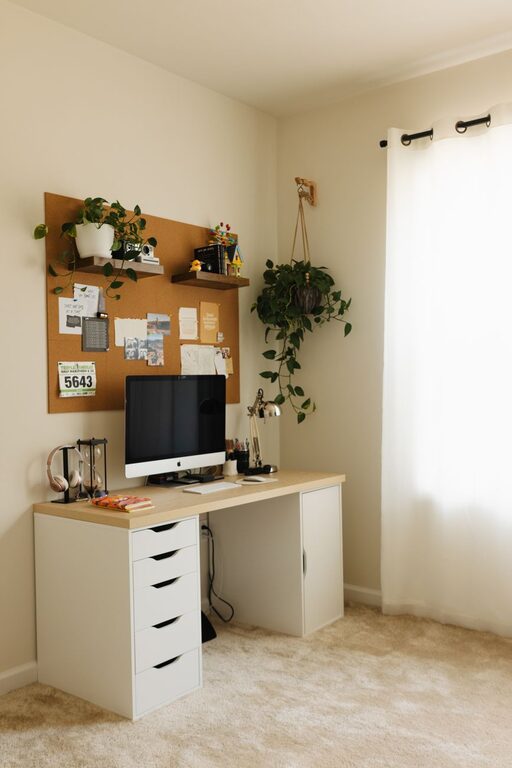
Creating a productive home office environment can significantly enhance your work-from-home experience. With the right setup and habits, you can boost focus, reduce distractions, and maintain a healthy work-life balance. Whether you are new to remote work or looking to improve your current space, these tips can help you design an efficient and comfortable home office.
Choose the Right Location
Selecting the right spot for your home office is the first step toward productivity. Ideally, pick a quiet area with minimal foot traffic and noise. If possible, choose a room separate from common living areas to create a physical boundary between work and relaxation.
Consider Natural Light
Natural light can improve mood and energy, so position your desk near a window if possible. Avoid direct glare on your computer screen, which can cause eye strain, but let in enough daylight to brighten your workspace.
Invest in Ergonomic Furniture
Comfortable furniture supports long hours of work without discomfort or injury.
– Desk: Choose a desk with enough surface area for your computer, accessories, and workspace.
– Chair: Use an adjustable chair that supports your lower back and promotes good posture.
– Monitor: Position your monitor at eye level to avoid neck strain.
– Keyboard and Mouse: Use ergonomic models to reduce wrist tension.
Adjust your chair and desk height to keep your feet flat on the floor and your arms at a comfortable angle while typing.
Organize Your Workspace
An organized office helps reduce distractions and makes it easier to focus on tasks.
– Declutter: Keep only essentials on your desk to avoid feeling overwhelmed.
– Storage Solutions: Use shelves, drawers, and containers to store documents and supplies neatly.
– Cable Management: Use clips or ties to keep cords from tangling and cluttering your desk.
– Daily Tidy-Up: Spend a few minutes at the end of each day to clear your workspace for the next.
Minimize Distractions
Reducing interruptions allows you to maintain concentration during work hours.
– Set Boundaries: Communicate your work schedule to family or housemates.
– Use Noise-Canceling Headphones: These can block out background noise and help you focus.
– Turn Off Notifications: Limit phone and computer notifications to essential alerts only.
– Create a Routine: Establish set work hours to develop focus and structure.
Bring Personality and Comfort Into Your Space
A welcoming environment can motivate you to work effectively.
– Add Plants: Indoor plants improve air quality and add a calming touch.
– Personal Items: Include photos, artwork, or items that inspire you.
– Control Temperature: Ensure your workspace is comfortably warm or cool.
– Good Lighting: Use a desk lamp with adjustable brightness for evening work.
Utilize Technology Wisely
Save time and streamline tasks with technology tools suited for your workflow.
– Reliable Internet: A fast and stable internet connection is essential.
– Task Management Apps: Use apps like Trello or Asana to organize projects and deadlines.
– Cloud Storage: Store files online for easy access and backup.
– Video Conferencing Tools: Familiarize yourself with Zoom, Microsoft Teams, or Google Meet if needed.
Take Breaks and Move Regularly
Taking regular breaks helps maintain mental and physical well-being throughout the day.
– Follow the 20-20-20 Rule: Every 20 minutes, look at something 20 feet away for 20 seconds to reduce eye strain.
– Stand Up and Stretch: Move around or stretch every hour to avoid stiffness.
– Short Walks: Even a brief walk outside can boost energy and creativity.
Keep Work and Personal Life Separate
Maintaining boundaries between work and home life is crucial when working from home.
– Separate Spaces: Avoid working from your bed or couch if possible.
– Defined Schedule: Start and end work at the same time each day.
– End-of-Day Ritual: Develop a routine to signal the end of your workday, like shutting down your computer or tidying your desk.
—
By carefully setting up your home office with these tips, you can create an environment that supports productivity, comfort, and well-being. Remember that small changes can make a big difference, so personalize your workspace to meet your unique needs and preferences. A well-designed home office not only improves work efficiency but also helps maintain a healthy balance between professional and personal life.