

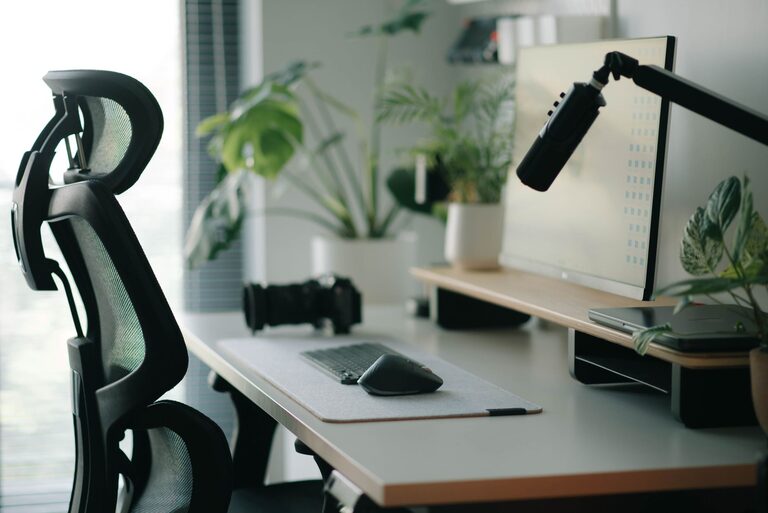
Working from home has become increasingly common, and creating a productive home office environment can make a significant difference in your workday. Whether you’re a full-time remote worker or just need a dedicated space for occasional tasks, designing an effective workspace helps you stay focused, organized, and motivated. Here are useful tips to help you set up a home office that enhances your productivity and comfort.
Choose the Right Location
The first step in creating a productive home office is selecting the best location. Ideally, it should be:
– Quiet and low-traffic: A spot away from household distractions helps maintain focus.
– Well-lit: Natural light boosts mood and reduces eye strain.
– Ventilated: Fresh air keeps you alert and comfortable.
– Close to power outlets: Easy access to plugs makes connecting electronics hassle-free.
If space is tight, consider investing in noise-canceling headphones or room dividers to create a more focused atmosphere.
Invest in Ergonomic Furniture
Comfort is key for productivity, especially if you spend long hours working. Ergonomic furniture supports good posture and reduces the risk of discomfort or injury. Key items include:
– Adjustable chair: Look for one with lumbar support, adjustable height, and armrests.
– Desk at the right height: Your elbows should be at roughly a 90-degree angle when typing.
– Footrest (optional): Helps maintain good sitting posture.
– Monitor stand or riser: Keeps your screen at eye level to prevent neck strain.
Taking care of your body setup not only helps with health but also improves focus and stamina.
Organize and Declutter Your Space
A cluttered workspace can overwhelm your mind and reduce efficiency. Here are some tips to keep your office organized:
– Use storage solutions: Shelves, drawers, or filing cabinets help keep papers and supplies in order.
– Limit items on your desk: Only keep essentials within reach.
– Cable management: Tidy up cords with clips or sleeves.
– Regularly clean: Set a weekly routine to tidy your workspace.
An organized environment promotes a clear mindset and reduces distractions.
Optimize Lighting for Comfort and Efficiency
Good lighting reduces eye strain and maintains energy. Consider these lighting tips:
– Maximize natural light: Position your desk near windows but avoid glare on your screen.
– Use adjustable task lighting: A desk lamp with adjustable brightness can help during darker hours.
– Choose warm, soft light: It’s easier on the eyes than harsh fluorescent lighting.
Adjusting your lighting to suit your work schedule can increase comfort and productivity.
Minimize Distractions
Home environments can be filled with distractions. To stay productive, try these strategies:
– Set boundaries: Communicate your work hours to family or housemates.
– Create a dedicated workspace: Avoid working on the couch or in bed.
– Use productivity tools: Apps for time management or website blockers can keep you focused.
– Keep personal devices away: Silence phones and limit social media during work time.
These habits help create a work mindset even when you are at home.
Personalize Your Workspace
A workspace that feels welcoming can boost motivation. Add a few personal touches without cluttering:
– Inspiring artwork or photos
– Plants for freshness and air quality
– A comfortable mouse pad or wrist rest
Personalization makes your office pleasant while maintaining professionalism.
Manage Technology Effectively
Reliable technology is essential for a productive home office. Keep these points in mind:
– Use a quality internet connection: Fast and stable internet avoids interruptions.
– Invest in essential hardware: A good monitor, keyboard, and mouse improve efficiency.
– Back up your work: Use cloud storage or external drives to protect important files.
– Update software regularly: Keeping your programs up to date enhances security and performance.
Proper technology setup supports uninterrupted workflow.
Take Breaks and Move Regularly
Even in a well-designed office, long periods of sitting can affect your health and focus. Consider incorporating:
– Short breaks every 60 minutes: Stand up, stretch, or walk around briefly.
– Scheduled longer breaks: Step away from your desk for meals or fresh air.
– Desk exercises: Simple stretches or posture checks.
Regular breaks refresh your mind and prevent fatigue.
Set Clear Goals and Routines
Finally, productivity improves with clear goals and routines:
– Create a to-do list: Plan your day with achievable tasks.
– Establish a consistent schedule: Start and finish work at set times.
– Prioritize tasks: Focus on high-impact activities first.
Routine and planning help maintain discipline and avoid procrastination.
—
Creating a productive home office environment need not be complicated. By choosing the right space, investing in comfortable furniture, organizing your tools, managing distractions, and maintaining healthy habits, you set yourself up for success. Small changes can lead to big improvements in how effectively and happily you work from home.