

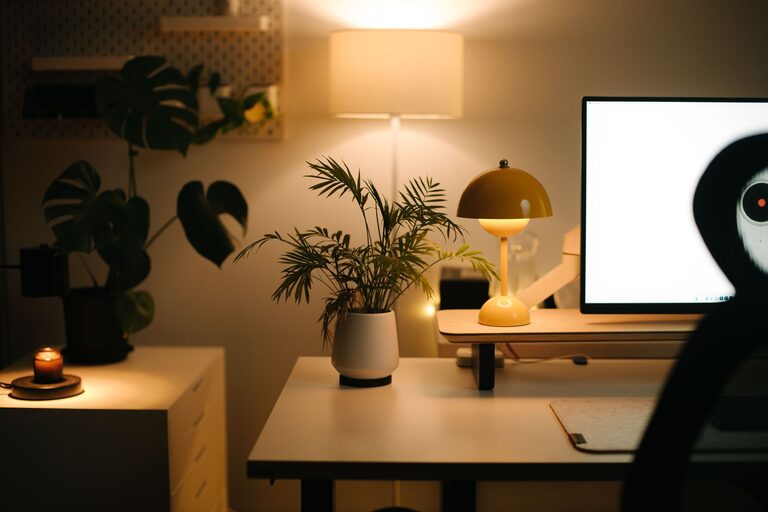
Creating a relaxing home workspace is essential for maintaining productivity, especially as many people continue to work remotely. A well-designed workspace not only supports your daily tasks but also helps reduce stress and keep your mind clear. In this post, we’ll explore practical tips to set up a home office that feels comfortable, inviting, and efficient.
Why a Relaxing Workspace Matters
When your workspace is cluttered, noisy, or uncomfortable, it’s easy to feel overwhelmed or distracted. A relaxing environment encourages concentration, creativity, and sustained energy. It can also improve your overall well-being by reducing feelings of anxiety or fatigue.
Choose the Right Location
Find a Quiet Corner
Selecting a spot in your home with minimal distractions is key. Ideally, choose a room or area away from household noise sources like the kitchen or TV. If space is limited, use noise-canceling headphones or a white noise machine to create a quieter atmosphere.
Prioritize Natural Light
Natural light is known to boost mood and attention. Position your desk near a window to take advantage of sunlight during the day. If natural lighting isn’t available, opt for soft, warm artificial light that mimics daylight to avoid eye strain.
Invest in Comfortable Furniture
Ergonomic Chair and Desk
Comfortable seating supports your posture and helps prevent aches or fatigue. Choose an adjustable chair that offers good back support and a desk at the right height for your work style. Standing desks or those with adjustable heights can also provide flexibility.
Personalize Your Space
Add cushions, a throw blanket, or a footrest to enhance comfort. These small touches can make sitting for long periods much easier and more enjoyable.
Organize for Efficiency
Declutter Regularly
Keep your workspace tidy by removing items you don’t use daily. A clutter-free desk minimizes distractions and makes it easier to find what you need.
Use Storage Solutions
Incorporate shelves, drawers, or organizers to store supplies neatly. Label containers or files so everything has a designated place.
Add Soothing Elements
Incorporate Plants
Indoor plants add color and can improve air quality. They also have calming effects that help reduce stress.
Use Calming Colors
Choose colors like soft blues, greens, or neutrals for your walls and décor. These shades are known to promote relaxation and focus.
Play Gentle Background Music
If it helps you concentrate, play instrumental or ambient music softly in the background. Avoid lyrics that may distract from your work.
Manage Technology Wisely
Cable Management
Use cable clips or sleeves to keep cords organized and out of the way. This reduces visual clutter and potential hazards.
Set Digital Boundaries
Turn off non-essential notifications during work hours to maintain focus. Consider using productivity apps to block distracting websites.
Establish a Routine
Set Regular Work Hours
Consistent working hours help create structure and separate work time from personal time.
Include Breaks
Take short breaks to stretch, hydrate, or practice deep breathing. These pauses refresh your mind and body, making you more productive.
Personalize Your Routine
Incorporate rituals that help you transition into work mode, like a cup of tea or a moment of meditation.
Keep It Fresh
Change Your Setup Occasionally
Rearranging furniture or updating décor can renew your energy and keep your workspace feeling inspiring.
Refresh Air and Light
Open windows when possible to circulate fresh air and adjust lighting based on the time of day.
Final Thoughts
A relaxing home workspace is a worthy investment for your productivity and well-being. By choosing the right location, staying organized, and adding calming elements, you can create an environment that supports focused, enjoyable work. Remember, small changes can make a big difference, so start with one or two tips and build from there.
With a comfortable and inviting workspace, you’ll find it easier to stay motivated and accomplish your goals each day.